An Overview of Relocation as Working Cats
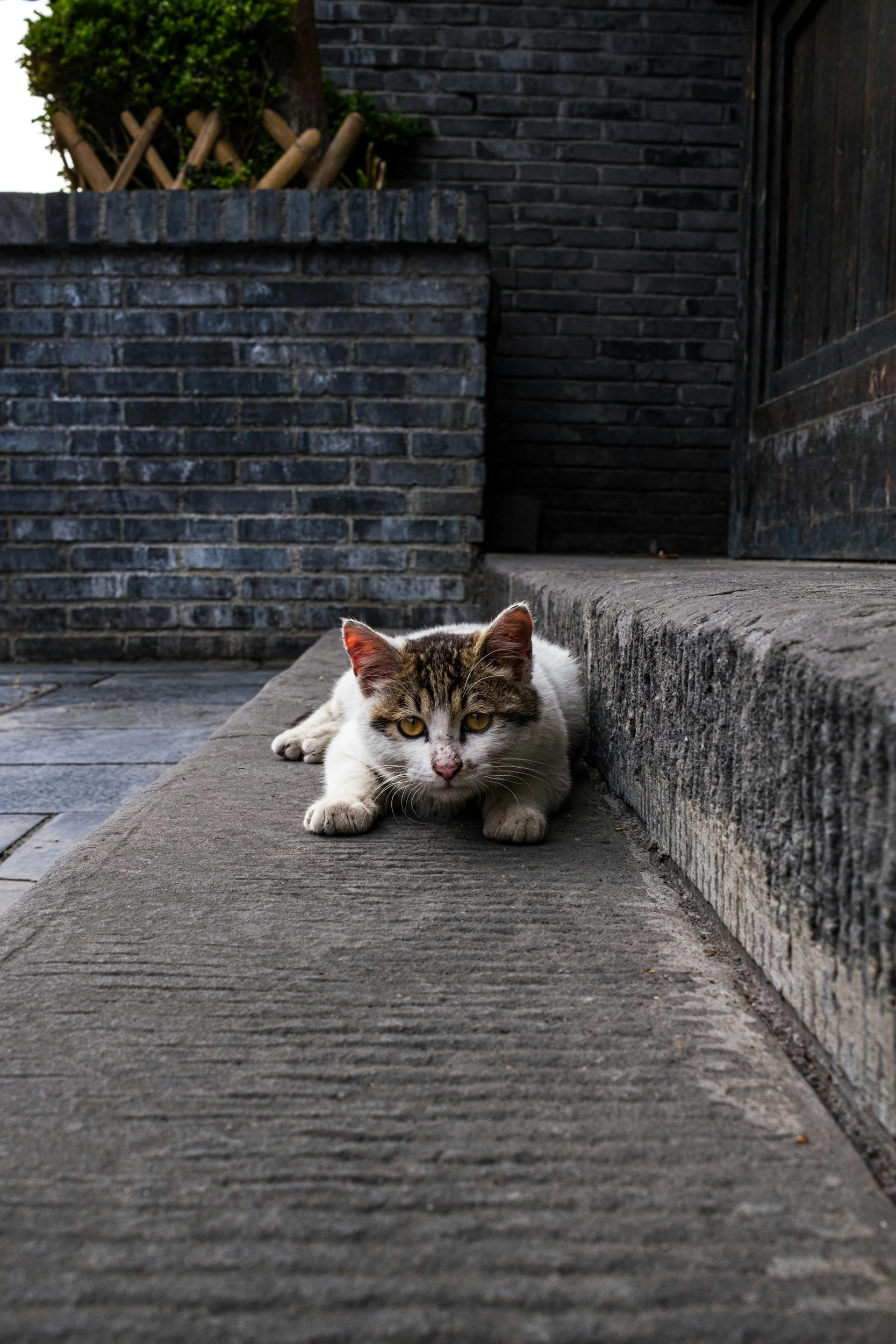
“Relocation is typically seen as ineffective in the sense that cats are equally destructive to their environment and local ecosystem regardless of where they reside. Further, they may reproduce and create colonies even if they are released far from one another. In addition, they may face the same obstacles and dangers caused by living outdoors or in human impacted environments, regardless of where they are released. These issues can be mitigated by relocation as working cats for a number of reasons and may be a more suitable option for less socializable ferals.
The criteria for feral cats to be part of a program like this are described by a group called Barn Cat Buddies that serves the greater Virginia area with the purpose of finding placement for feral cats. They indicate that a cat should be fixed and vaccinated, that there must be adequate time for assimilation so that the cats are able to coexist in a space with people despite not being entirely domesticated, and that they must receive continuing care from the people to whom they are assigned (“Barn Cat Protocals [sic] for Re-homing”).
While there is a common misconception that feral cats are inherently dangerous or aggressive, the behaviors associated with a “cat attack” are typically defensive in nature (Feral and Stray Cats: An Important Difference). Some definitions of feral animals are dependent on the level of socialization towards other animals and humans, which leads many people to believe that feral cats cannot interact with each other or their human neighbors in a way that mirrors the affectionate relationship between owned cats and their owners. The aforementioned definition in use for the purposes of this paper includes that feral cats engage in non-domesticated behaviors, and while this may include aggression or infighting, it primarily refers to their reliance on hunting for food and the more primal ways they engage with one another.
For many ferals, socialization is either a possibility or already a reality as some may have been abandoned by former owners, gained social skills through interaction with owned domestic cats, or through frequent interaction with humans, be that tangential or through intentional contact like feeding. After a long duration or developmentally significant time spent unowned in the outdoors, adjustment is much less likely to occur, which is why organizations such as The Feral Affairs Network in Virginia devote most of their time and efforts towards socialization and adoption to “kittens and friendly adults”, while working positions are typically allotted for those ferals described as “semi-friendly”.
Despite the challenges presented by the limitations of behavioral guidelines for cats accepted to programs like these, there are also some benefits that go beyond the scope of animal welfare. Relocation provides the opportunity to connect and form partnerships between rescue organizations and local farms, sanctuaries. Relocation provides the opportunity to connect and form partnerships among local farms, sanctuaries, rescue organizations, and even brick and mortar stores.
For instance, in 2025, a cat named Francine, who was a longtime resident at a Lowe’s hardware store in Richmond, went missing. For weeks, the greater Richmond community came together to bring her home. As Max Henson, a staff writer for Lowe’s writes, “it’s more than a feel-good moment – it’s an example of what community and love look like in action”, this single working cat became a beacon of the way a community can come together and get things done. These programs provide community engagement and feline companionship to local businesses, and the opportunity for formerly feral cats to live out their lives in more comfort with a mitigated risk of aggressive or territorial behaviors.”