
Managing Feral Cat Colonies
The comprehensive professional resource hub for data-driven colony management, institutional strategies, and state-specific resources.
State Specific Management Resource Database
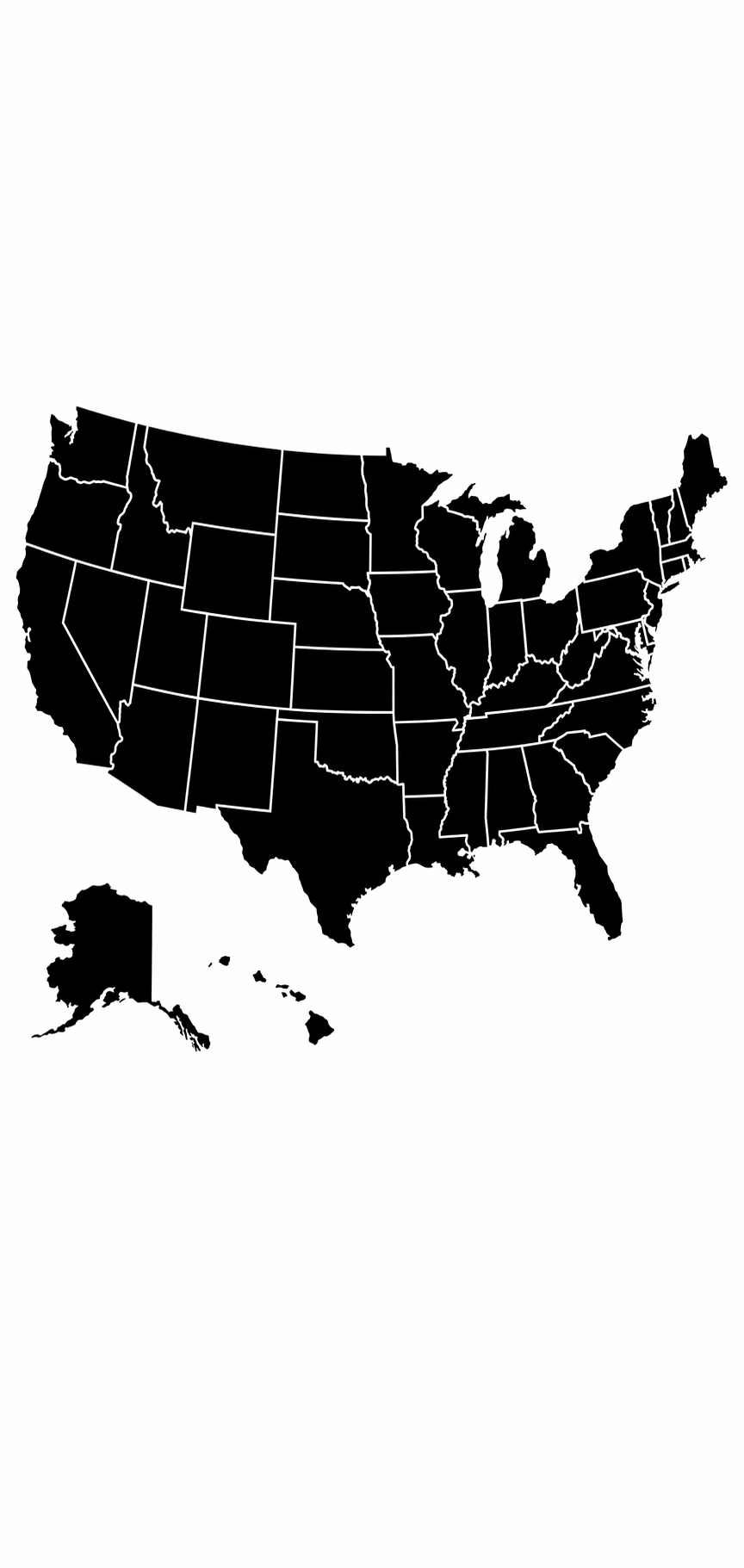
Laws and regulations around feral cat management vary widely from state to state, and many management strategies require specialized training or support. Before making any changes to a feral colony, review the relevant state and local laws and consult with experienced professionals or organizations.
View policy and local organizations by locating your state in the dropdown menu.
Management Style Cost Benefit Snapshot
A humane approach in which cats are trapped, surgically sterilized, vaccinated, and returned to their original outdoor location so the colony can stabilize and gradually decline over time.
Ease
★★★☆☆
Efficacy
★★★☆☆
Cost Efficiency
★★★☆☆
Institutional Involvement
★★★☆☆
Social Perception
★★★★★
The large-scale killing of feral cats, typically through shelter intake or targeted roundups, with the goal of quickly reducing numbers but often seen as a less desirable method compared to those that limit the impact on the individual cats.
Ease
★★★★★
Efficacy
★★★★☆
Cost Efficiency
★★★☆☆
Institutional Involvement
★★★★☆
Social Perception
★☆☆☆☆
Moving unsocialized cats from their current colony to supervised barn or working-cat environments, where they are acclimated and then housed as outdoor pest control in exchange for shelter, food, and basic care.
Ease
★★☆☆☆
Efficacy
★★★☆☆
Cost Efficiency
★★☆☆☆
Institutional Involvement
★★☆☆☆
Social Perception
★★★★☆
Intensive human handling, usually focused on kittens and select adults, to help them adjust to indoor life and ultimately be adopted into homes, prioritizing individual welfare and long-term placement.
Ease
★☆☆☆☆
Efficacy
★★★★★
Cost Efficiency
★☆☆☆☆
Institutional Involvement
★★★☆☆
Social Perception
★★★★★
Addressing Your Priorities
01
Public Health & Safety
Managing feral cat colonies in a planned way reduces bite risk, disease transmission concerns, and nuisance behaviors such as fighting, spraying, and noisy mating, helping keep campuses and communities safer and more predictable.
Every institution will have different needs. Through the resources in this database, you should be able to create an action plan that suits your priorities.
02
Wildlife Conservation
Thoughtful management of outdoor cat populations helps reduce predation pressure on native wildlife, especially birds and small mammals, and supports broader biodiversity and conservation goals for the surrounding ecosystem.
03
Economic Sustainability
Choosing stable, evidence‑based management strategies can lower long‑term costs by reducing intake, crisis responses, and complaint handling, while allowing institutions to plan staffing and budgets more effectively over time.
04
Animal Welfare
Humane management puts cat well‑being at the center of decision‑making, prioritizing approaches that minimize stress, injury, and suffering, while providing appropriate care, shelter, and medical support for community cats.